Third Party Special Needs Trust (Trust For Loved Ones)
At Morgan Law, we specialize in Utah Supplemental Needs Trusts. A Utah Supplemental Needs Trust, sometimes called a 3rd Party Special Needs Trust (SNT) works by making sure that whatever funds or property you leave behind for your child with special needs, the funds will not cause your child to lose Parents of children with special needs have to grapple with a frustrating number of roadblocks and hurdles to qualify for assistance. Sometimes qualifying for one benefit has the unintended consequence of disqualifying someone from others. Unlike a 1st Party SNT, in the case of the Utah Supplemental Needs Trust, the government will not be able to recover any trust assets even at the death of the beneficiary.
In general for those individuals with disabilities that prevent them from working enough to provide for themselves the two major benefits are the Federal SSI assistance (financial assistance) and Medicaid (medical and sometimes housing assistance). Both of these programs have their own qualification requirements, however they share a hard asset limit of $2,000 (as of 2025). This means that if a benefits recipient has over $2,000, they will be disqualified from benefits.
A Utah Supplemental Needs Trust, sometimes called a 3rd Party Special Needs Trust (SNT) works by making sure that whatever funds or property you leave behind for your child with special needs, the funds will not count towards that $2,000 asset limit.
How Does a Third Party SNT Work?
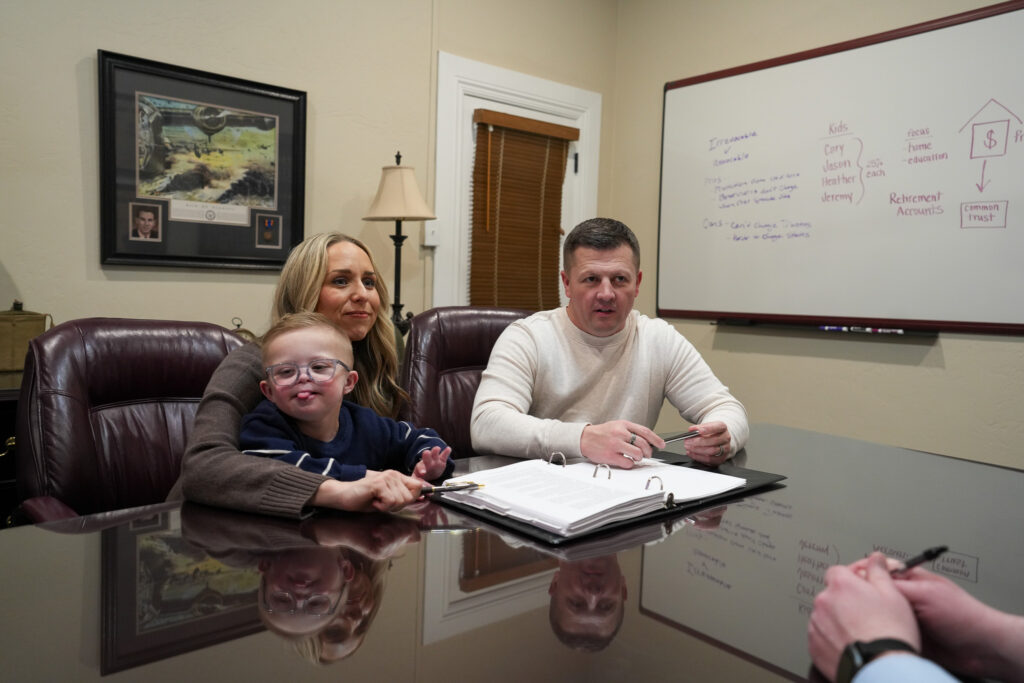
Unlike other types of trusts, the money in this trust never belonged to the beneficiary—it comes entirely from you. Because the beneficiary does not own or control the money, the government does not count it as a “resource.” This legal setup ensures that the trust funds can be used to pay for “extras” that improve their quality of life—such as specialized equipment, travel, or recreation—while their basic medical and housing needs remain covered by public programs. Best of all, because it is a third-party trust, there is no “payback” requirement, meaning any money left over after your loved one passes away can stay in your family.
Origins & Legal Framework
Estate planning is a critical aspect of ensuring that one’s assets are distributed according to their wishes after death. Two commonly used tools for estate planning are the living trust and the last will and testament. While both serve the purpose of outlining how an individual’s assets should be distributed, a living trust offers several advantages over a last will and testament. In this comprehensive exploration, we will delve into the reasons why a living trust is often considered superior, providing a more flexible, efficient, and comprehensive approach to estate planning.

Key Features of Third Party SNTs:
External Funding
The distinctive feature of third-party SNTs lies in their external funding. Unlike first-party SNTs, where the individual with a disability contributes their own assets to the trust, third-party SNTs are funded with assets from sources outside the control of the beneficiary. These sources typically include parents, grandparents, siblings, or other relatives.
OBRA '93 Compliance
While both first-party and third-party SNTs must comply with OBRA ’93 regulations, third-party trusts have more flexibility in their structure and disbursement provisions. Since the funds are not directly owned by the individual with a disability, there is greater latitude in tailoring the trust to meet the specific needs and wishes of the family.
Supplementing Government Benefits
Similar to first-party SNTs, the primary purpose of third-party SNTs is to supplement government benefits, such as Supplemental Security Income (SSI) and Medicaid. By providing additional resources for goods and services not covered by public assistance programs, these trusts enhance the overall quality of life for individuals with disabilities.
ABLE Account Integration
A Third-Party SNT and an ABLE account are a powerful team. While the trust safely holds large amounts of money, using it to pay for rent or food can actually trigger a reduction in SSI benefits. To avoid this, the trustee can move funds into an ABLE account first. Because ABLE funds are exempt, your loved one can then pay for housing or groceries directly without any penalty to their monthly check. This gives them more independence and ensures they receive the maximum amount of government support possible.
Discretionary Distributions
Trust documents for third-party SNTs typically grant the trustee discretionary powers in making distributions. This discretionary authority allows the trustee to respond to the changing needs of the beneficiary, adapting to evolving circumstances while ensuring ongoing eligibility for means-tested benefits.
Advantages Of Third Party SNTs:
Preservation Of Family Assets
One of the significant advantages of third-party SNTs is the preservation of family assets. By structuring the trust as an external contribution, family members can leave a financial legacy for the individual with a disability without depleting the assets that might be intended for other family members.
Greater Flexibility in Trust Provisions
Third-party SNTs provide greater flexibility in trust provisions compared to their first-party counterparts. Since the assets belong to external contributors, the trust can be tailored to meet the specific needs and desires of the family while still adhering to legal requirements.
Minimization of Medicaid Payback
Unlike first-party SNTs, third-party SNTs can be structured to minimize or eliminate Medicaid payback provisions. This planning flexibility allows families to have greater control over how remaining trust assets are distributed upon the beneficiary’s passing.
Family Involvement in Trust Management
Third-party SNTs allow for active family involvement in trust management. While a professional trustee may provide oversight, family members can have input into the trust’s provisions, distributions, and overall management, fostering a sense of family engagement and unity.
Challenges & Considerations
Coordination with Other Estate Planning Documents
Proper coordination between third-party SNTs and other estate planning documents, such as wills and powers of attorney, is essential. Ensuring that these legal instruments align with the provisions of the trust prevents unintended conflicts and enhances the overall effectiveness of the estate plan.
Selection of a Suitable Trustee
The choice of a trustee is a critical decision. While professional trustees bring expertise, families must weigh the benefits of professional management against the desire for family involvement. Striking the right balance ensures that the trust’s objectives are met while fostering a collaborative and supportive environment.
Ongoing
Communication
Clear communication among family members is crucial. Establishing open lines of communication ensures that everyone involved understands the purpose of the trust, the roles of family members, and the potential impact on the overall estate plan. Regular communication can help prevent misunderstandings and foster a unified approach to caring for the individual with a disability.
Proactive Planning for Beneficiary Needs
Anticipating the evolving needs of the beneficiary and incorporating provisions for a range of potential expenses is essential. Proactive planning ensures that the trust remains adaptable to changes in circumstances, providing for the long-term financial security and well-being of the individual with a disability.
Why Choose Us
Specialization In Special Needs Planning
Morgan Law, PLLC is dedicated to and specializes in special needs planning. Our personal experiences with disability in our own families inform our understanding of the unique challenges and legal intricacies associated with Utah special needs trusts.
Tailored Special Needs Trust Plans
Recognizing the individuality of each client, we conduct a thorough assessment of their needs, considering factors such as healthcare, housing, education, and overall quality of life before crafting a Utah Special Needs Trust. This personalized approach ensures the trust aligns with the specific requirements of each client.
Collaboration with Caregivers and Professionals
We champion effective communication and collaboration with caregivers, healthcare professionals, financial advisors, benefit coordinators and support networks to be effective team players. We understand that we are one part of a much larger group of professionals. This collaborative approach ensures that the special needs trust aligns seamlessly with the individual’s overall care plan.
Integration with Your Estate Plan
While our passion lies in Utah Special Needs Trusts, we also specialize in general estate planning, seamlessly integrating your Utah Special Needs Trust into a broader estate planning objectives.
Ongoing Guidance
Our commitment extends beyond the setup, providing ongoing guidance for trust administration to ensure continued alignment with the evolving needs of the individual. We offer no-cost document reviews, encouraging regular check-ins to ensure the Utah Special Needs Trust remains tailored to our clients’ needs.
In Utah For Utah Residents
We possess a comprehensive understanding of the state’s laws and regulations related to special needs trusts. Knowing the rules and the individuals responsible for enforcing them ensures we can navigate the legal landscape effectively.
Maximizing Government Benefits
Morgan Law, PLLC employs strategies to help clients preserve eligibility for crucial government benefits like Supplemental Security Income (SSI) and Medicaid, ensuring maximum support.
Holistic
Planning
Recognizing the importance of integration, we incorporate the special needs trust into a broader financial plan to provide comprehensive support for the individual with special needs. At Morgan Law, PLLC, we have done the legwork on available benefits. Our Utah Special Needs Trusts are designed to take advantage of new programs that can benefit our clients now and in the future.
Guardianship
Beyond special needs trusts, we assist in establishing guardianships and conservatorships for adults requiring extra legal support, navigating the process efficiently and sensitively.
Convenience
At Morgan Law, we never charge to chat. We offer in home or office visits. Our goal is always to empower our clients, not to pitch them things they don’t need. Please feel free to reach out, we are here to help.
In Conclusion
In Summary, when properly planned, a 3rd Party Supplemental Needs Trust is more than just a legal tool; it is a way to provide for a loved one’s future without risking their essential benefits. By allowing you to fund their quality of life—while keeping your family’s assets within the family—these trusts offer true peace of mind. At Morgan Law, we are committed to creating trusts that ensure your loved one can live with dignity and independence, backed by the lasting protection of a plan that works.